This post contains affiliate links. As an Amazon Associate we earn from qualifying purchases. Learn more.
Quick answer
Does sauna improve blood circulation? In the short term, yes: heat widens your blood vessels, your heart rate climbs and much more blood flows to your skin. Research also shows a single session can briefly reduce arterial stiffness and blood pressure. Whether regular sauna use improves circulation over the long run is less certain, so think of it as a pleasant boost alongside exercise rather than a treatment.
What happens to your blood flow in a sauna
When you sit in hot air, your body works to shed heat. According to Harvard Health, your skin temperature rises to about 104°F within minutes, your pulse can jump by 30% or more and your heart can nearly double the amount of blood it pumps each minute. Most of that extra blood is sent to the skin, and blood is actually shunted away from the internal organs while you are in the heat.
Three things drive this:
- Vasodilation: blood vessels near the skin widen so heat can escape.
- A faster heart rate: the heart pumps harder to move more blood to the surface.
- Sweating: your body cools itself through evaporation, which is why fluid replacement matters.
Blood pressure is less predictable. Harvard notes it rises in some people and falls in others during a session.
Does sauna improve blood circulation over time?
Short-term effects are well documented
In a Finnish experiment with 102 adults who each had at least one heart risk factor, one 30-minute sauna session reduced a standard measure of arterial stiffness (pulse wave velocity) from 9.8 to 8.6 m/s immediately afterward. Average blood pressure also fell, from 137/82 to 130/75 mmHg (Journal of Human Hypertension, 2018). Stiffness had partly bounced back after 30 minutes of rest.
Long-term effects are still being studied
A 2018 review in Mayo Clinic Proceedings proposed that regular sauna bathing might improve circulation through better blood vessel function and reduced arterial stiffness (Mayo Clinic Proceedings). But Harvard Health reported in 2025 that controlled trials of saunas and other passive heating have not shown clear improvements in most measures, including arterial stiffness, and that more research is needed (Harvard Health).
The famous Finnish study that linked frequent sauna bathing with fewer heart-related deaths was published in JAMA Internal Medicine in 2015. It followed 2,315 men for about 20 years, and it shows an association rather than cause and effect. We cover it in more detail in our article on sauna for heart health.
Sauna types and circulation
All the common sauna types warm you up enough to increase blood flow to the skin. They just do it differently:
- Traditional (Finnish) saunas heat the air, typically to around 150°F to 195°F, and you can add steam by pouring water on the stones.
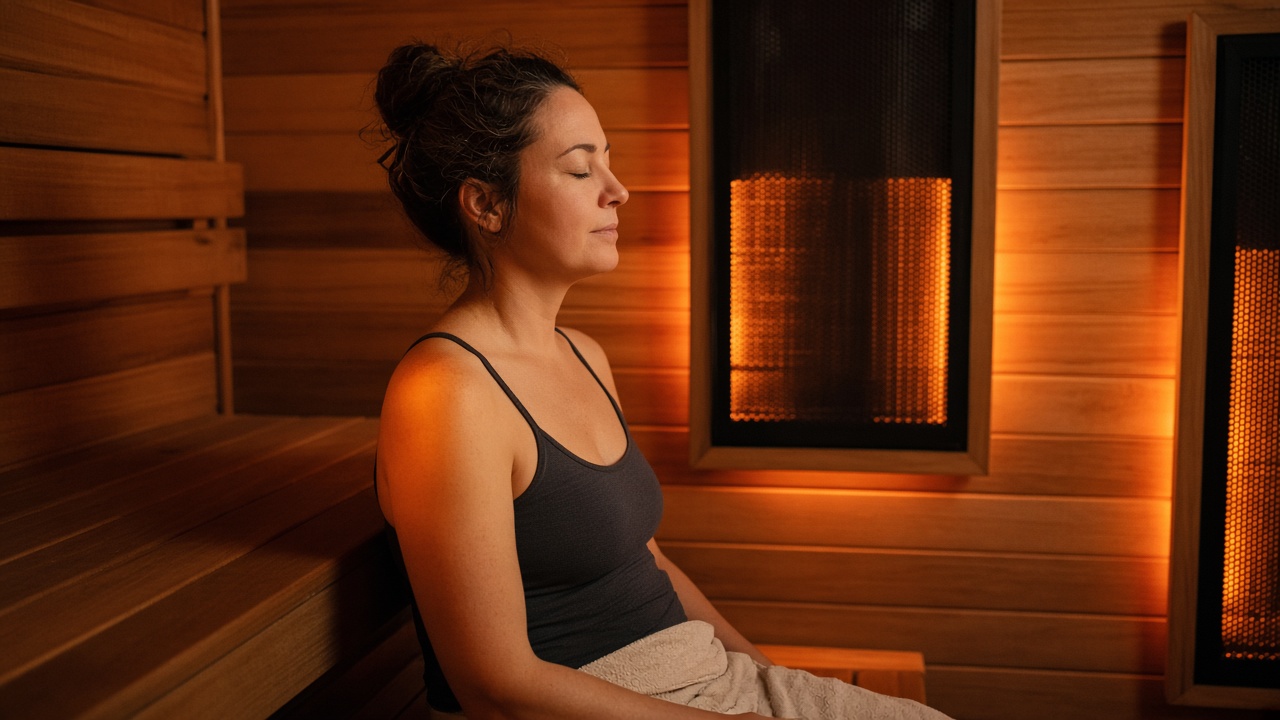
- Infrared saunas use infrared panels to warm your body more directly, at lower air temperatures. Cleveland Clinic lists a typical range of 110°F to 135°F (Cleveland Clinic).
- Steam rooms use moist heat at high humidity.
Most long-term research has been done on traditional saunas. Mayo Clinic says infrared saunas look promising for some conditions but that larger studies are needed (Mayo Clinic).
How to use a sauna for better blood flow
1. Start slowly
Begin with 5 to 10 minutes and see how you feel. Build up gradually, but keep sessions to about 15 to 20 minutes, which is Harvard Health’s general guidance.
2. Hydrate before and after
You lose fluid through sweat. Harvard suggests drinking two to four glasses of cool water after each session. If you sweat heavily, an electrolyte drink can help.
3. Cool down gradually
Sit outside the sauna for a few minutes before you shower or head outdoors. Some people like alternating heat with a cool shower or a cold plunge, but go easy at first, and skip cold exposure if you have heart problems unless your doctor says it is fine.
4. Pair it with movement
A sauna raises your heart rate, but it does not replace exercise. Walking, cycling or strength work before a session is the better way to support your circulation long term.
5. Listen to your body
Get out right away if you feel dizzy, lightheaded or unwell. Avoid alcohol before and after a session.
Who should be careful
Harvard Health says people with uncontrolled high blood pressure or heart disease should check with their doctor before using a sauna, and people with unstable chest pain or serious heart issues should avoid them. Older adults with low blood pressure should also be cautious, since heat can make pressure dip and cause dizziness (Harvard Health). If you are pregnant, have a medical condition or take medication, talk to your doctor first. Our sauna safety tips cover the basics.
At-home sauna options
If you want sessions at home, these are a few options readers often ask about. Check current prices and reviews on the listing before you buy.
SereneLife Portable Infrared Sauna
A fold-up, sit-in infrared tent with a chair and a handheld controller. A good fit for small spaces and smaller budgets.
Radiant Saunas Hemlock Infrared Sauna
A wooden infrared cabin with heating panels and a digital control panel, for people who want a permanent setup.
LifePro Sauna Blanket
A heated blanket you lie in. It takes up very little space and stores easily.
Helpful accessories
- VITALIFE Bamboo Sauna Backrest: makes it more comfortable to sit back against the wall of a wooden sauna.
- Hydration Essentials Electrolyte Powder: an easy way to replace electrolytes after a sweaty session.
- SweatShaper Sauna Suit: some people wear one during workouts to sweat more. More sweat means more fluid loss, so drink extra water, and do not wear one inside a hot sauna.
Frequently asked questions
How long should I stay in a sauna for circulation?
Harvard Health suggests no more than 15 to 20 minutes per session. Beginners should start with 5 to 10 minutes.
Is infrared or traditional sauna better for circulation?
Both increase blood flow to the skin. Most of the research is on traditional saunas, and infrared saunas run at lower temperatures, which some people find easier to tolerate.
Can a sauna help cold hands and feet?
Heat sends more blood to your skin while you are in the sauna, so your hands and feet usually warm up during a session. Whether that lasts afterward is not well studied. If cold hands and feet are a regular problem, mention it to your doctor, since it can have medical causes.
Is it safe to use a sauna every day?
Many healthy adults use saunas frequently, and in the Finnish study some men went four to seven times a week. Start slowly, keep sessions short, stay hydrated and check with your doctor if you have any health conditions.
Final thoughts
A sauna clearly boosts blood flow while you are in it, and a single session can briefly ease arterial stiffness and blood pressure. The long-term picture is still being worked out, so enjoy the sauna as a relaxing part of a routine that also includes regular exercise, and play it safe with time, temperature and water.
This article is general information, not medical advice. Talk with your doctor before using a sauna if you have a health condition, are pregnant or take medication. See our medical disclaimer.